

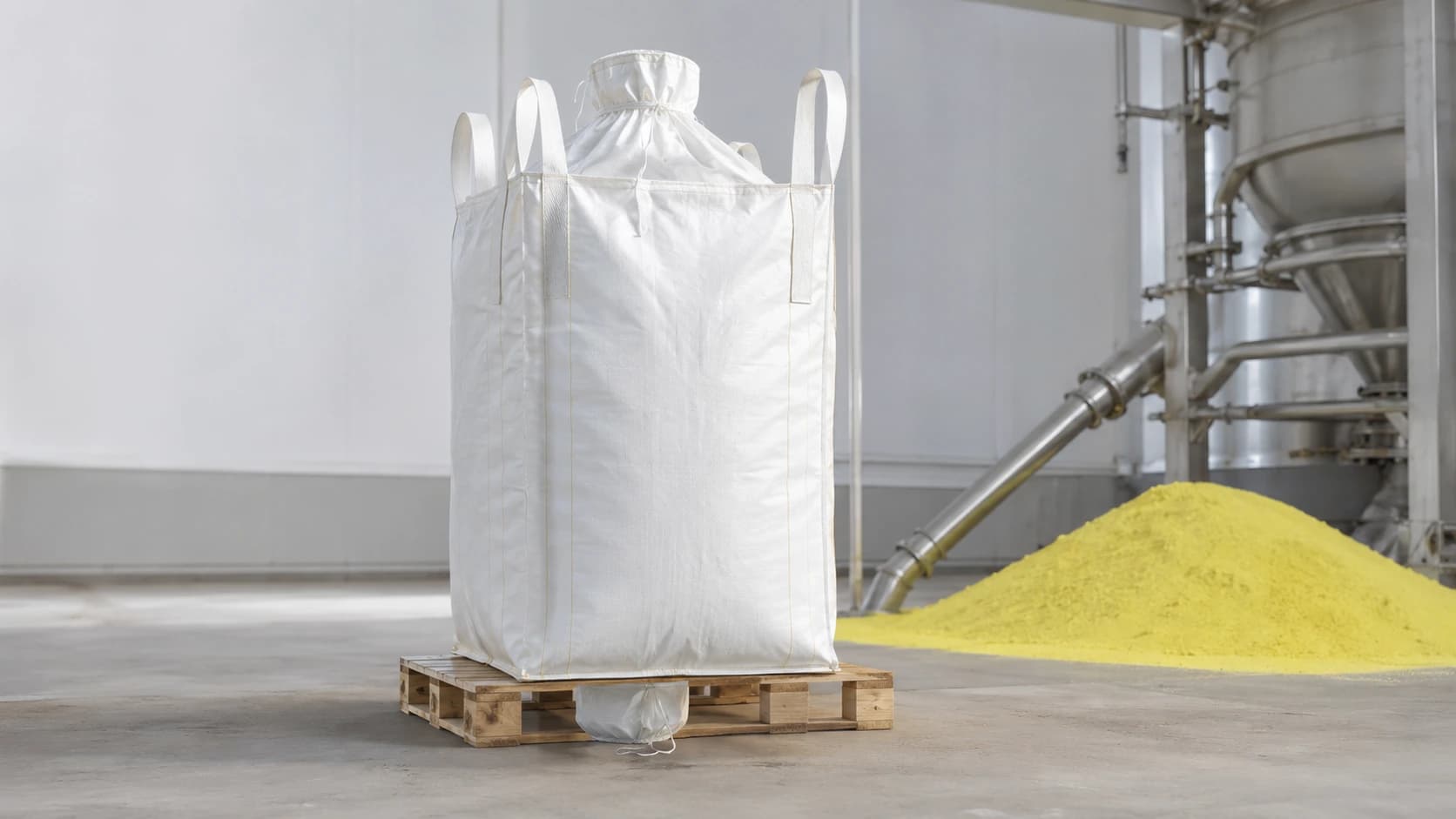
Chemical powder
1000 kg140–170 gsmSulphur Powder
Sulphur Powder
Put controlled powder transfer at the start of the design
A fine, dusty chemical powder that benefits from dust-tight FIBC configurations and clean discharge.
Sulphur powder is handled as a fine chemical powder, but its particle profile, bulk density, moisture condition and product grade can differ from one supply process to another. Those actual properties should be reviewed before bag dimensions, fabric and closures are fixed.
Dust is most likely to escape where the process changes from one piece of equipment to another. The connection between the hopper and the bag, the closure after filling, and the interface with the receiving line all influence how cleanly the material can be transferred.
The FIBC therefore needs to be considered as part of the handling line rather than as an isolated container. A defined filling connection, secure containment and controlled discharge create a more coherent solution from production through delivery.
Fine-particle dust
Transfer points can release fine material. Spout fit, closure method and seam requirements should be reviewed as one containment system.
Free-flowing discharge
Good flow can speed emptying, but it also makes outlet dimensions and the method used to open or restrain the spout important.
Product protection
Sensitivity to moisture or contamination varies by grade and route, so liner and cleanliness requirements should be confirmed for the actual product.
Sulphur Powder
Recommended FIBC Configuration
The following configuration provides a practical starting point for dust-conscious filling and controlled emptying. Final fabric, seam, liner and lifting details must be confirmed against the material data and the site handling procedure.
- Recommended SWL
- 1000 kg
- Fabric GSM
- Approx. 140–170 gsm (confirm against actual bulk density)
- Top
- Filling spout / Duffle top
- Bottom
- Discharge spout
- Lifting
- 4 loop / 2 loop
- Liner Recommendation
- PE liner may be recommended for moisture protection and dust-tightness
Why This Configuration
A defined filling interface
A correctly sized filling spout can connect to the filling head and reduce open transfer around the top of the bag.
Controlled emptying at the receiving line
A discharge spout gives the operator a defined outlet and can be sized to match the downstream connection and required flow.
Protection is specified by need
Seam construction and an optional PE liner can add dust or moisture protection when the product grade and logistics conditions require it.
Sulphur Powder
Key Considerations
Confirm the following four inputs before the quotation becomes a production specification. They determine how the bag connects, closes, protects and discharges.
Product information
Provide the product grade, bulk density, particle condition, moisture limits and target net weight.
Filling connection
Confirm filling-head diameter, clamping method, filling rate and the dust-collection arrangement used on site.
Discharge behaviour
Define the receiving opening, expected flow control and how the outlet will be opened, restrained and closed.
Storage and compatibility
Review storage exposure, contamination controls, liner need and any product-specific handling instructions before production.
Sulphur Powder
Recommended Products
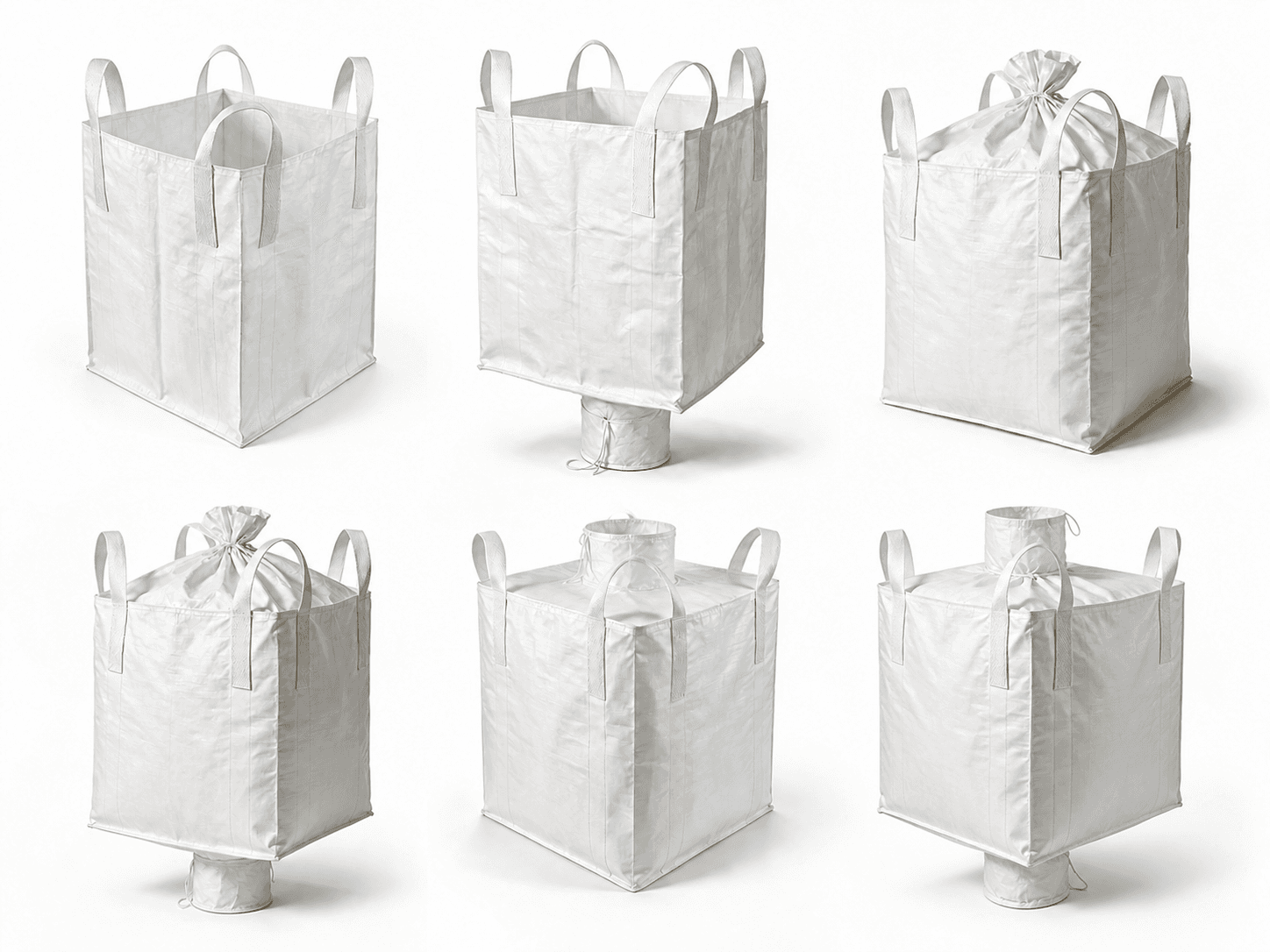
These structures combine different top-opening options with a controlled discharge spout. Select the version that fits the filling connection while preserving the required containment at the receiving end.
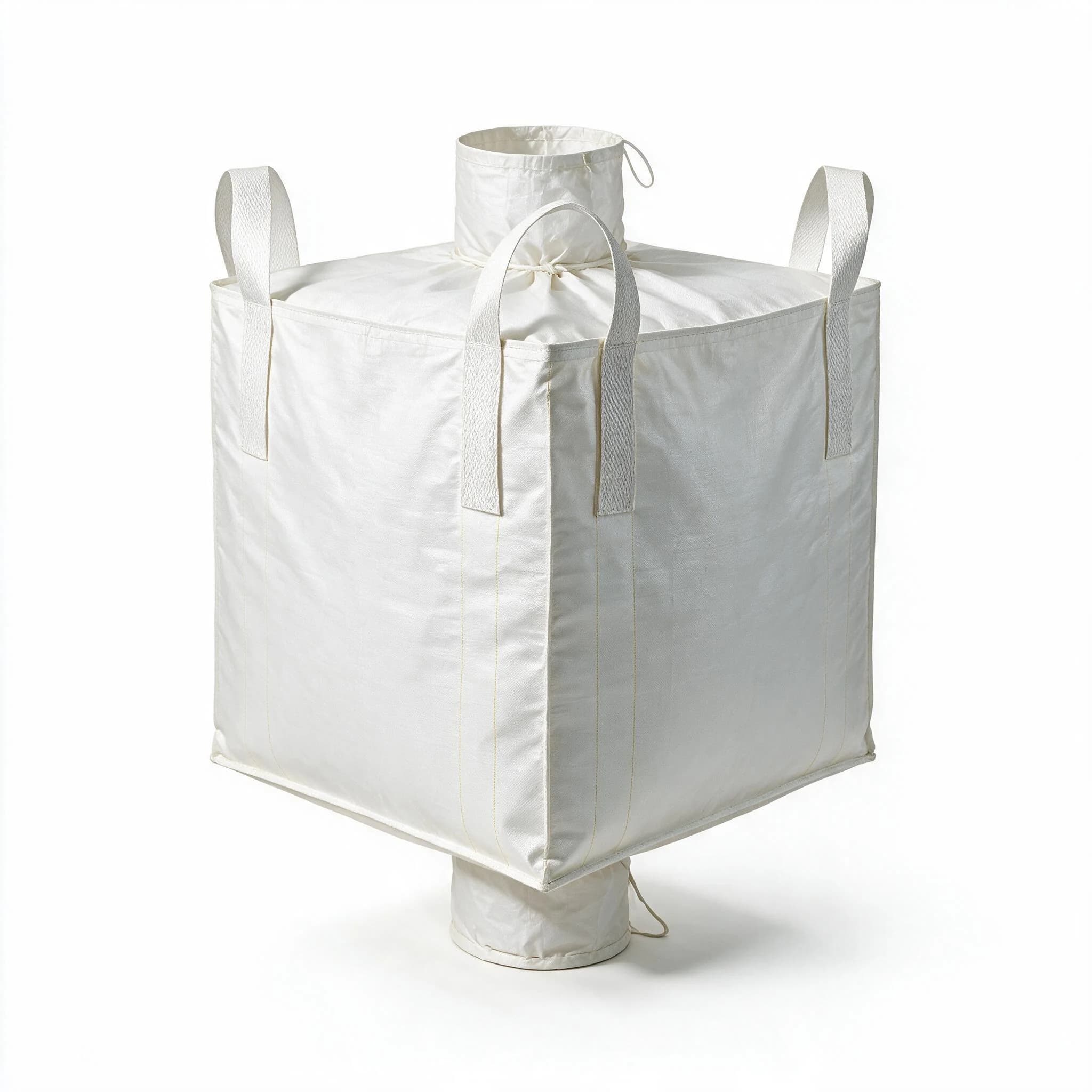
Filling Spout / Discharge Spout FIBC
Filling spout above, discharge spout below — a complete high-volume flow path.
View Details
Duffle Top / Discharge Spout FIBC
A duffled top for clean, low-dust filling and a bottom spout for controlled discharge.
View Details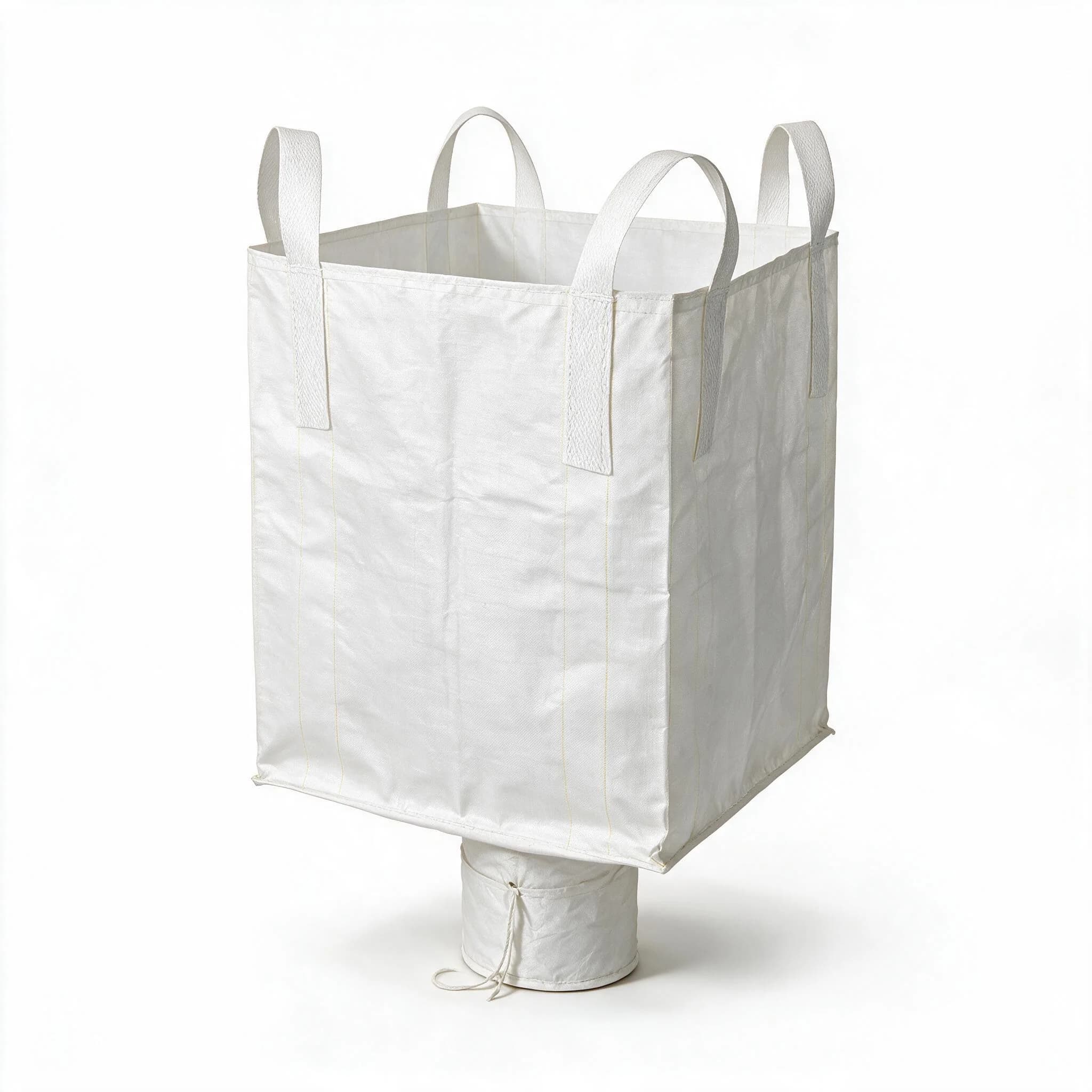
Open Top / Discharge Spout FIBC
A wide open top for fast filling with a bottom discharge spout for controlled, dust-tight emptying.
View DetailsRelated Guides
Guides about this material
These guides help compare liner protection and the main bag-selection decisions before the sulphur-powder specification is finalized.
 FIBC Handling
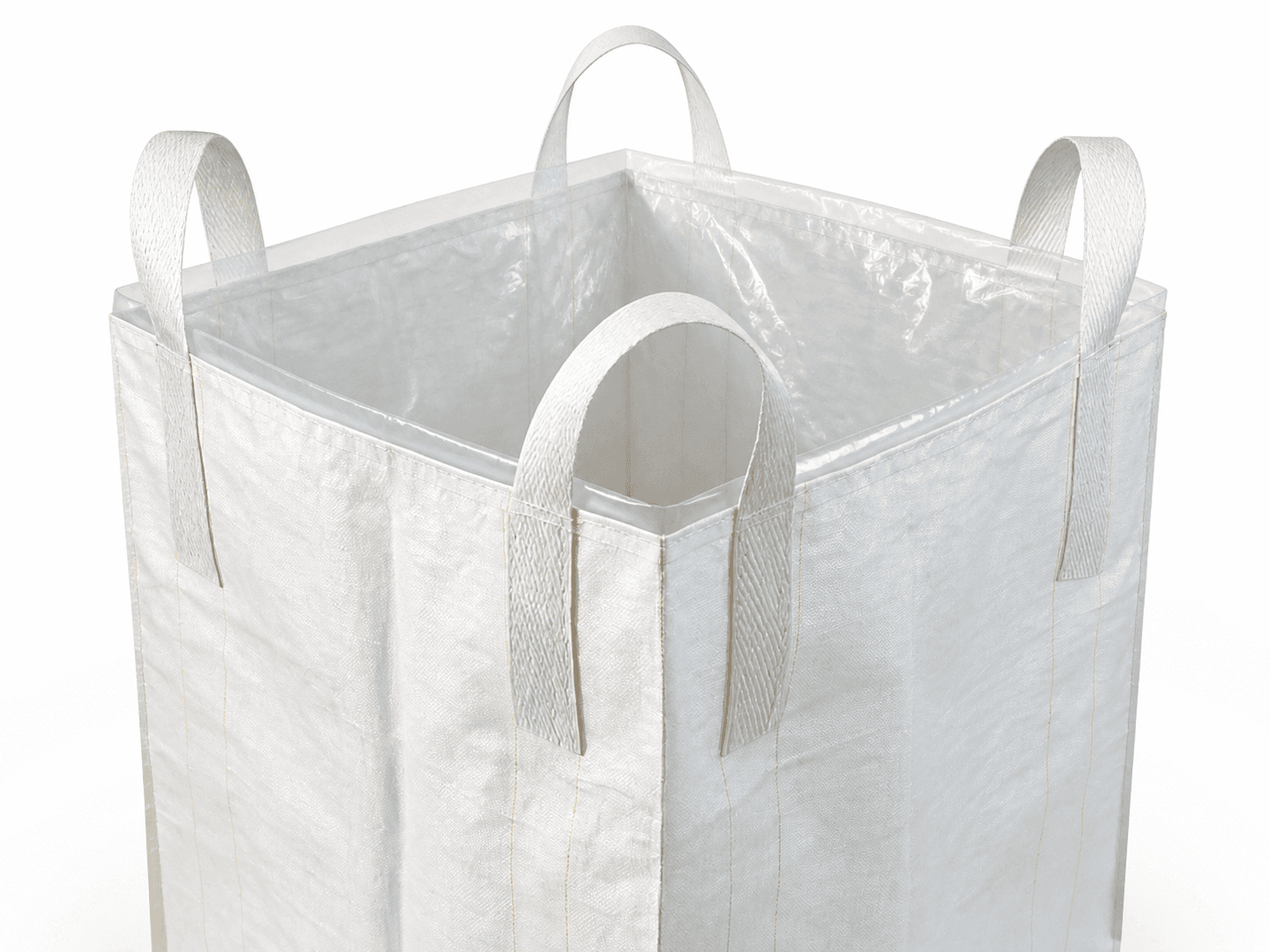
When Does an FIBC Need a PE Liner?
How to judge whether a FIBC should have a polyethylene liner — the products and conditions where a liner can help with moisture, fine powders and contamination, and the cases where it may not be needed.
 FIBC Guide
How to Choose the Right FIBC Bag
A practical guide to the material, load, size and design decisions that go into selecting a FIBC bulk bag — and a reminder that the final specification must always be confirmed against the actual product and working conditions.