
01
Coordinated Manufacturing
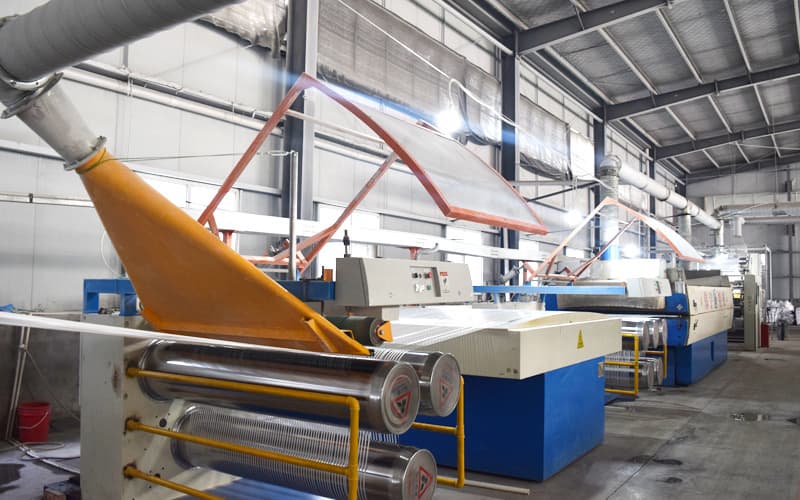
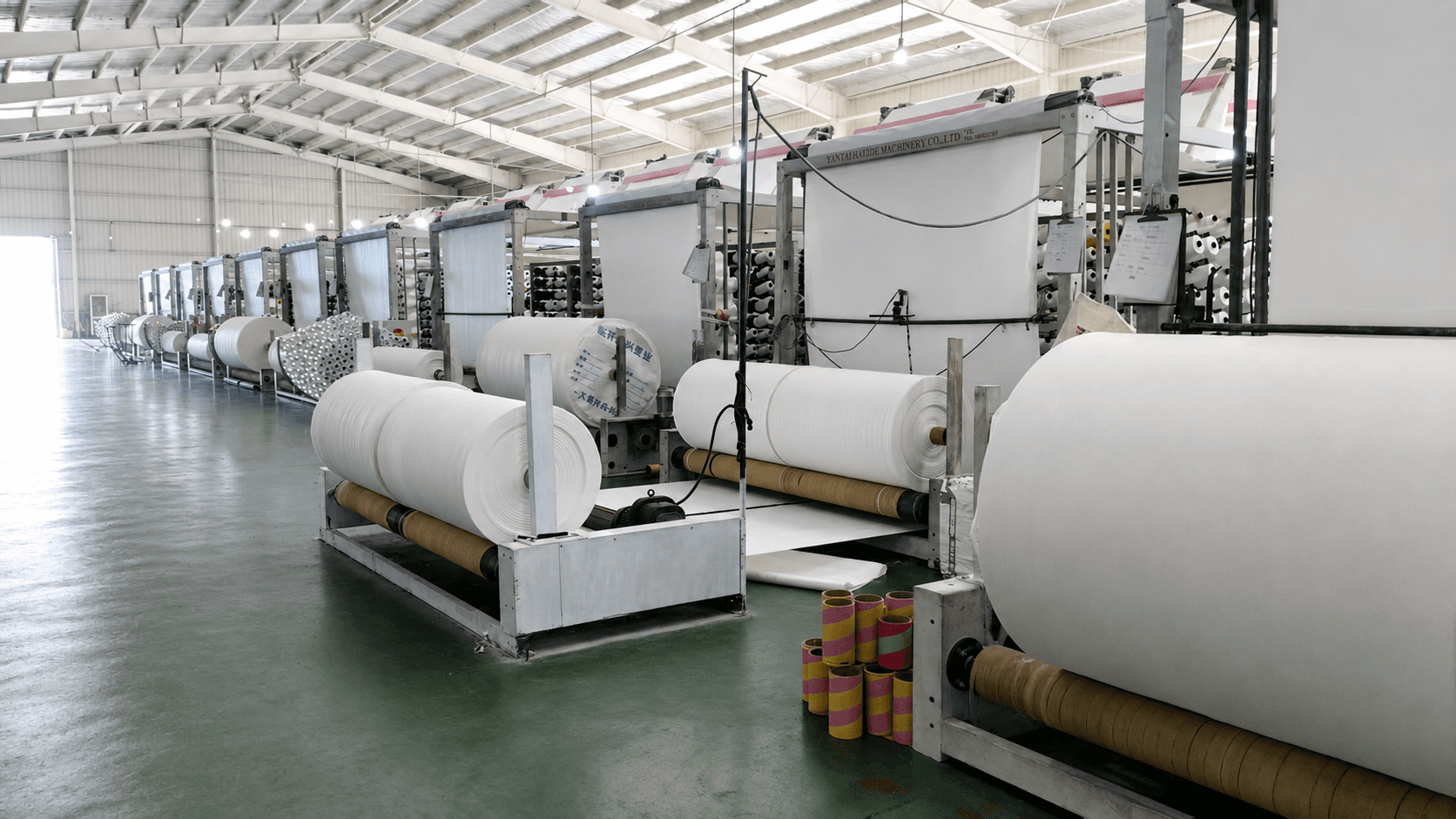
Tape extrusion, weaving, cutting, sewing and finishing follow one order rhythm, reducing delays and specification drift between processes.

About Duanhong
LUOYANG DUANHONG combines FIBC manufacturing, specification development, in-process inspection and export support so industrial buyers can carry requirements through every stage of production.
Who We Are
We provide more than a bag construction: we provide a coordinated route from requirement review and manufacturing to export delivery.
FIBC performance depends on bulk density, particle condition, filling equipment, discharge method, transport route and storage environment. We review these factors before defining dimensions, fabric, top and bottom openings, lifting loops, liner, printing and packing method.
The confirmed specification then follows the order through production, inspection and dispatch. Manufacturing coordinates tape extrusion, weaving, cutting and sewing; quality checks dimensions, construction and finished-bag condition; delivery planning covers compression, marks and container loading.
Manufacturing Foundation
Tape extrusion, weaving, cutting, sewing and finishing follow one order rhythm, reducing delays and specification drift between processes.
Dimensions, fabric, loops, openings, liners and printing are confirmed before production and remain the reference throughout the order.
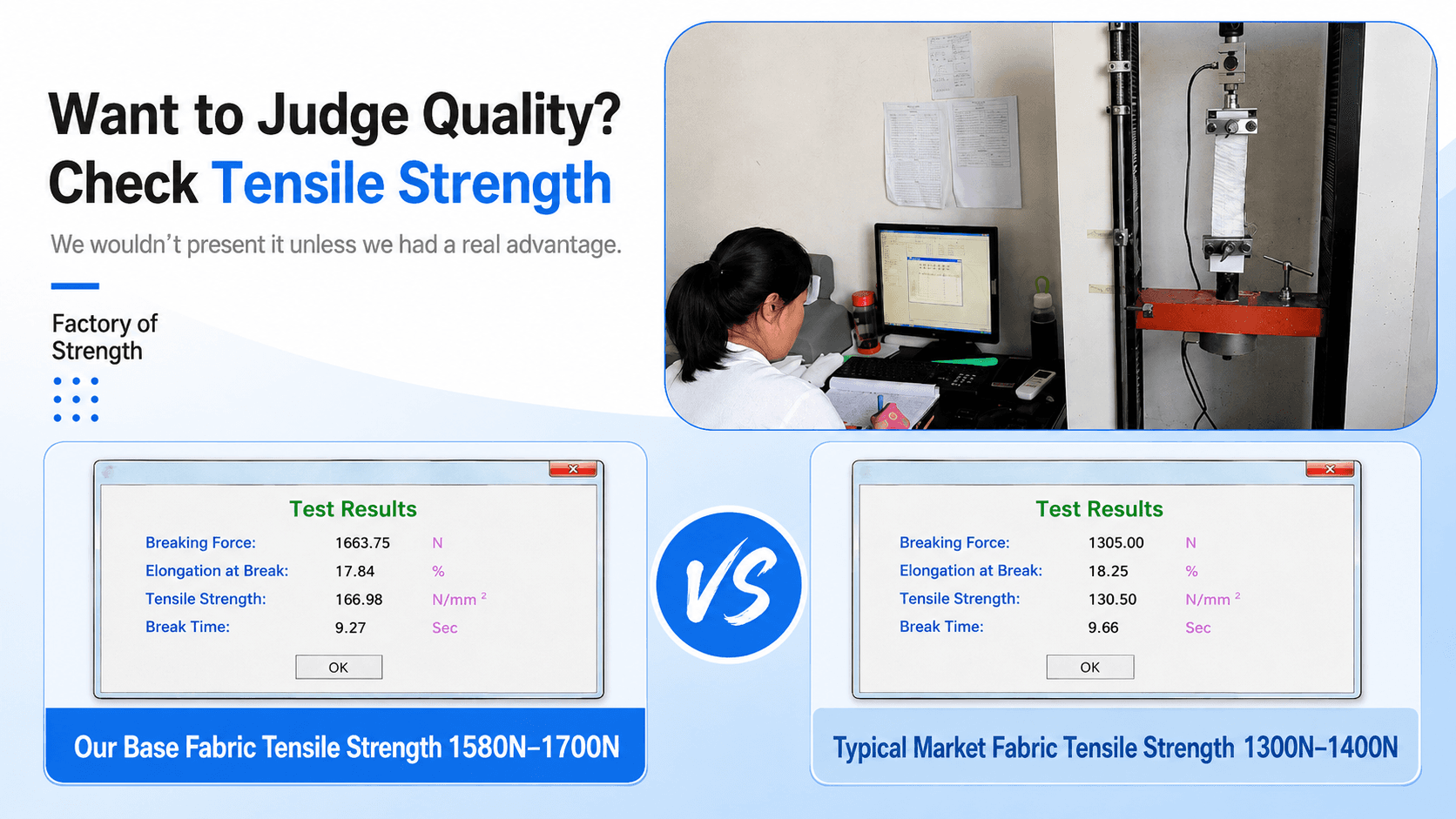
Checks cover material and fabric, cut-panel dimensions, sewn load areas, finished construction and packing — not just one final inspection.
From trials to container orders, lead time, compression, marks, documents and loading plans stay visible so buyers can prepare receiving operations.
Complete Manufacturing Process
Each stage has a defined output: resin becomes stable tape, tape becomes fabric to the required width and weight, and the fabric moves through cutting, assembly, inspection and packing into a deliverable FIBC.
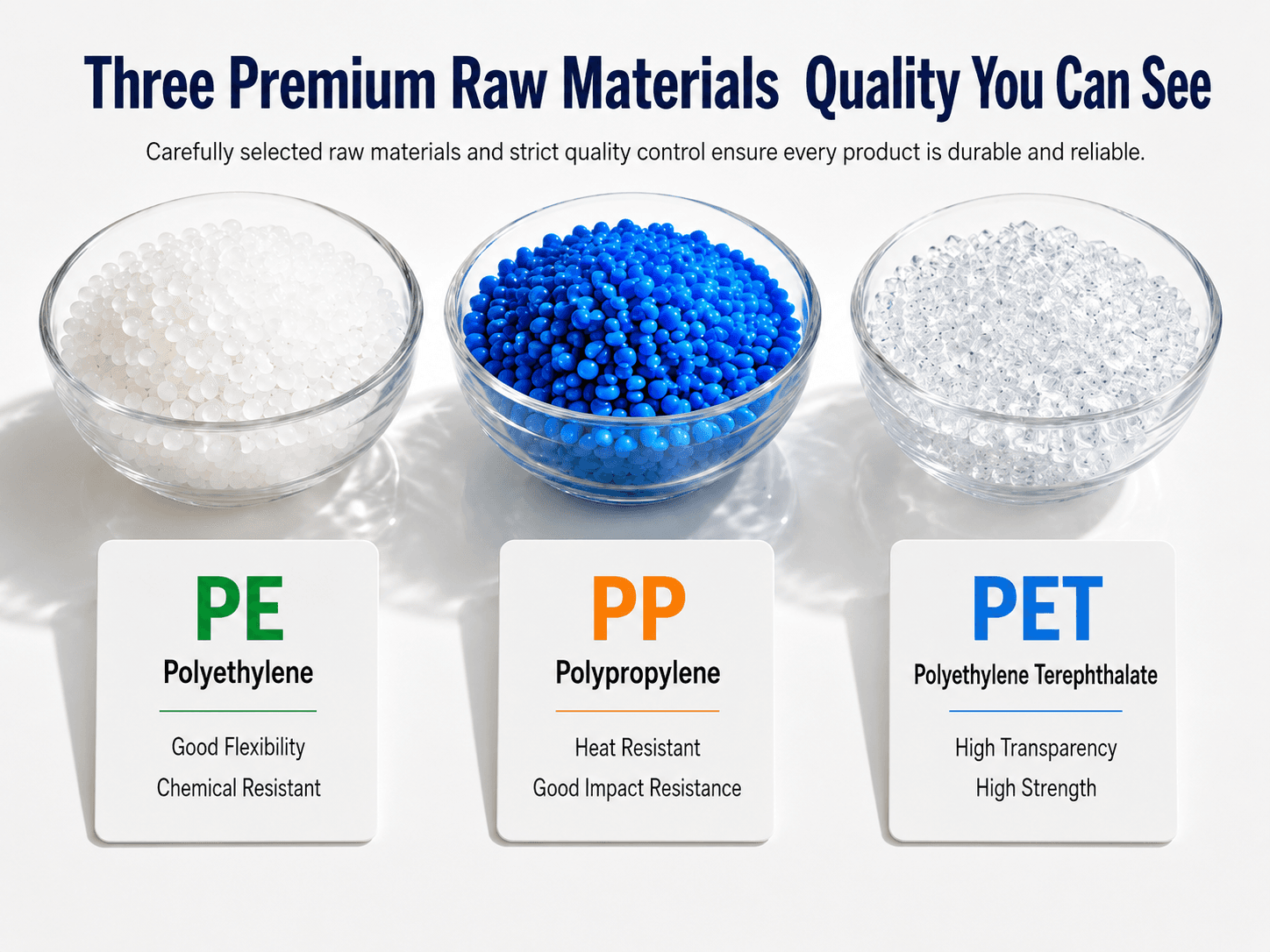
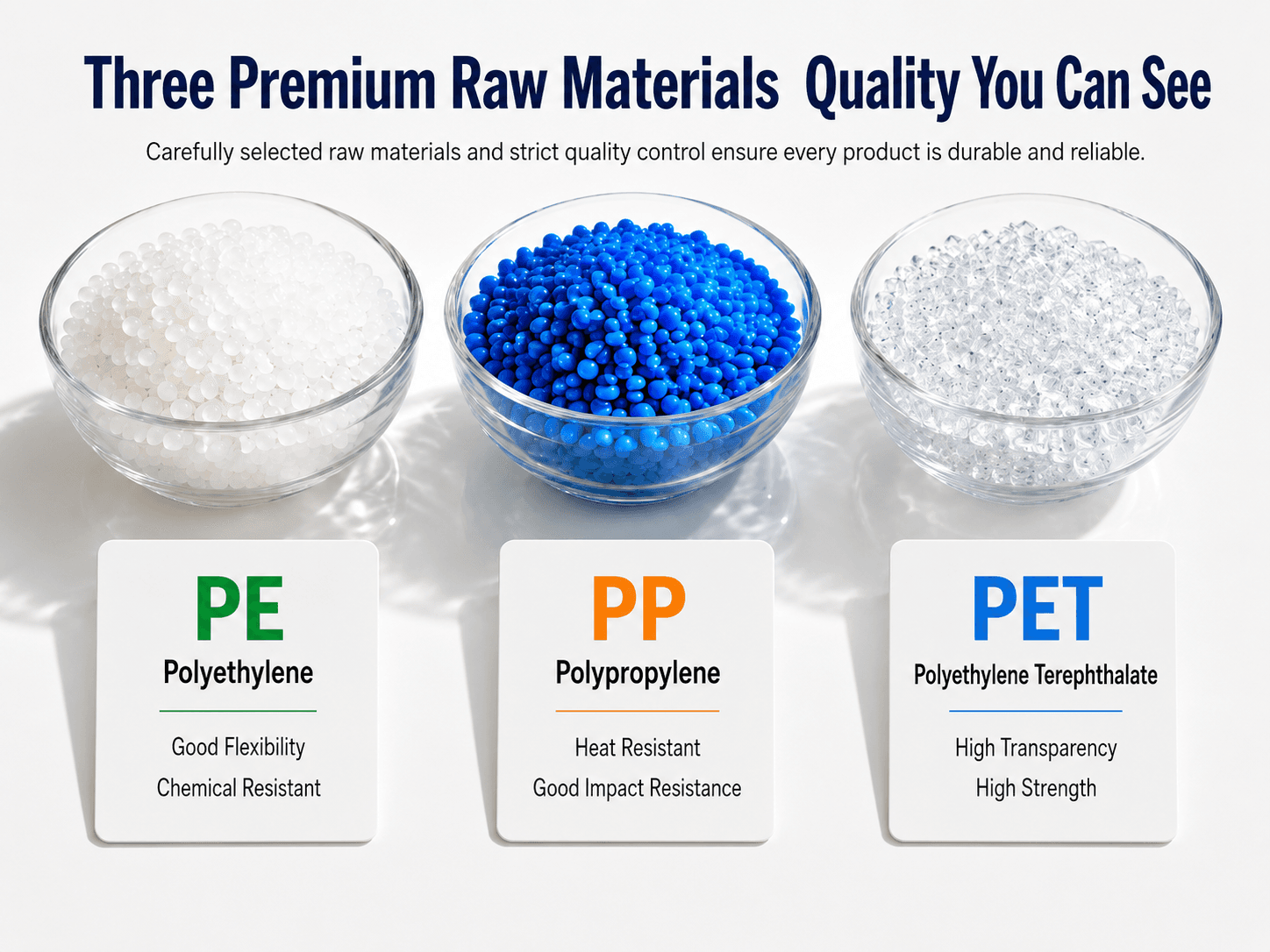
Polypropylene resin and required functional additives are prepared for the specified fabric and application.
Material is extruded, cooled, slit, stretched and wound into stable tape that provides the basis for fabric performance.
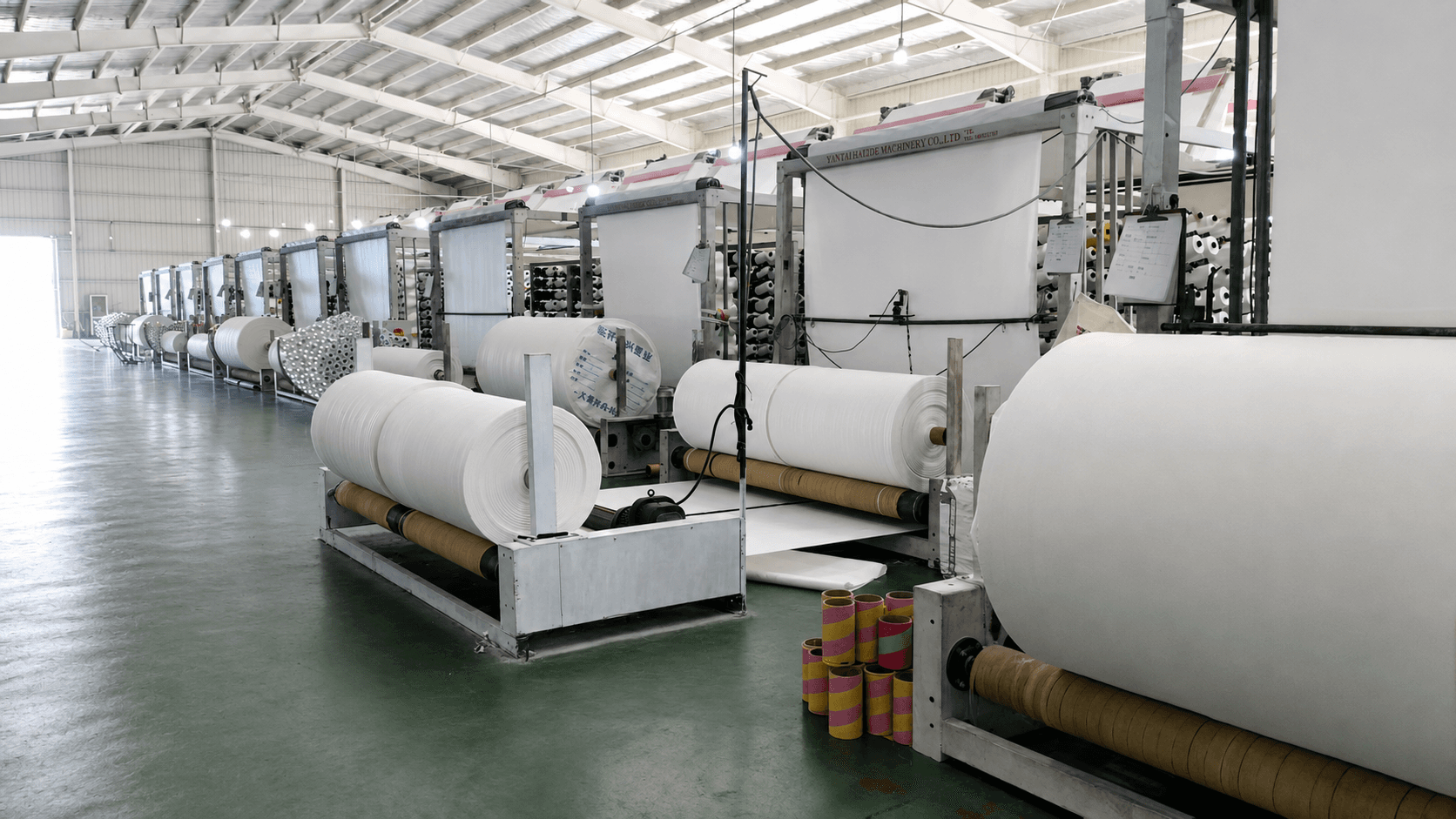
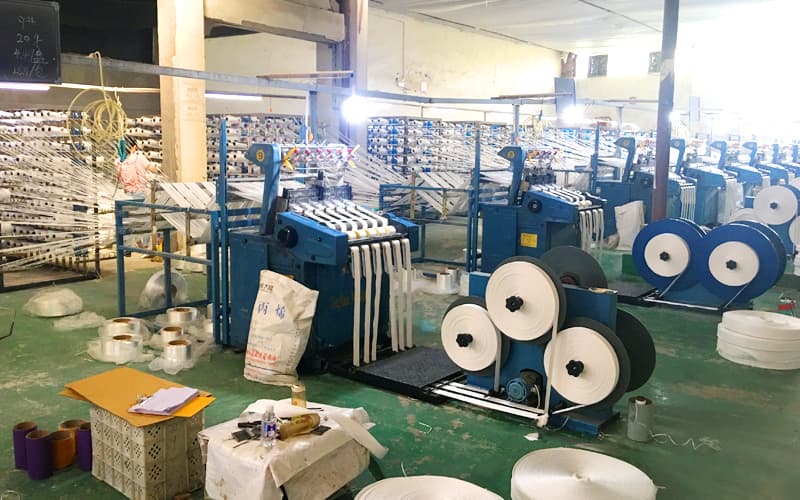
Circular or flat fabric is woven for the selected construction while width, weave condition and surface quality are monitored.
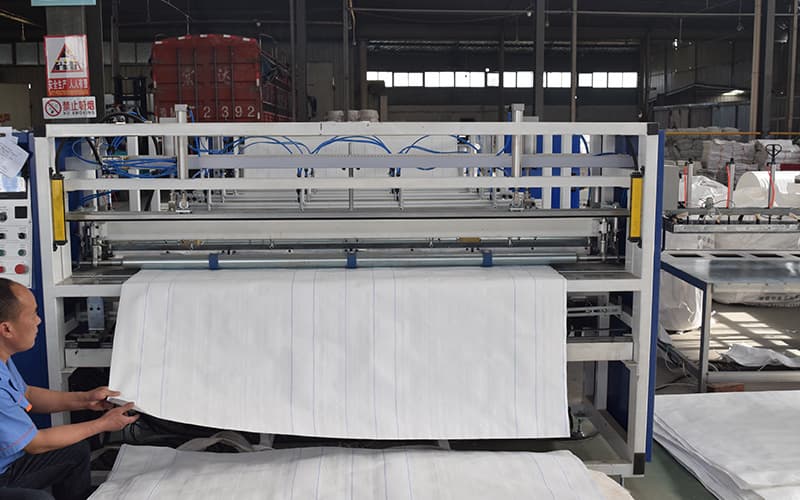
Body, top, bottom and spout panels are prepared to the drawing together with any coating or liner requirement.
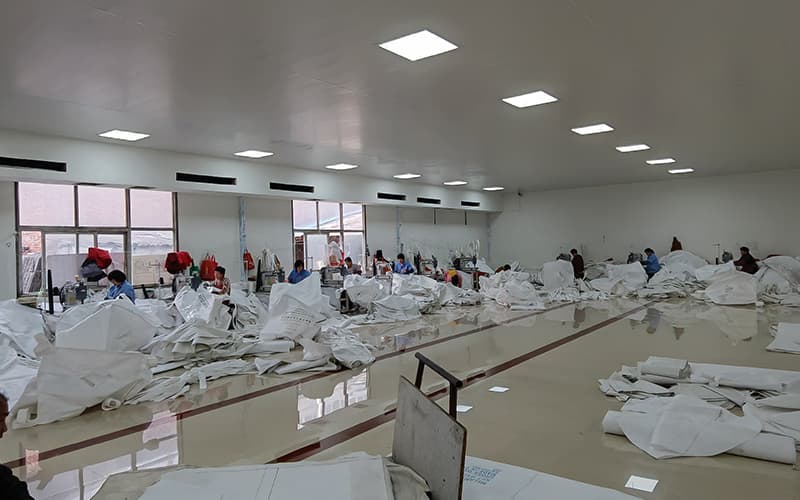
Body seams, four-corner loops, top and bottom openings and accessories are assembled with attention to load-bearing areas.
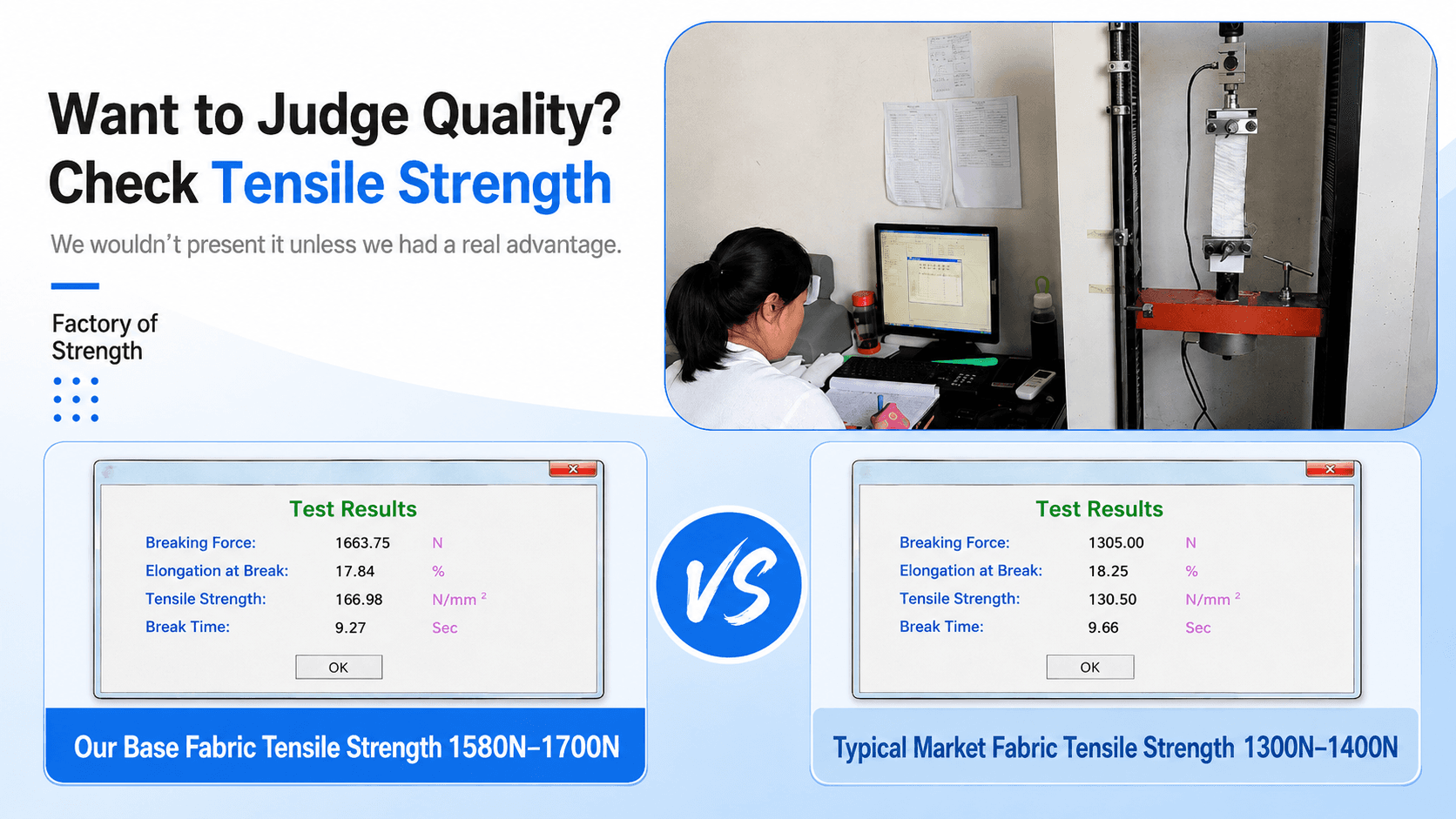
Material, dimensions, construction, sewing details and finished-bag condition are checked against the approved specification.
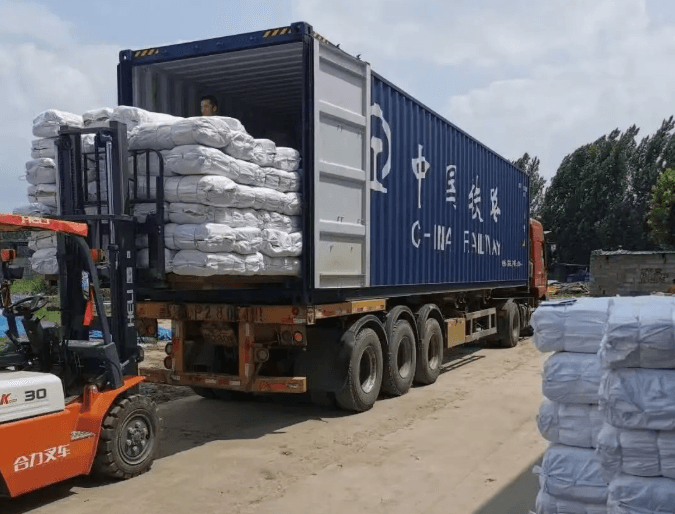
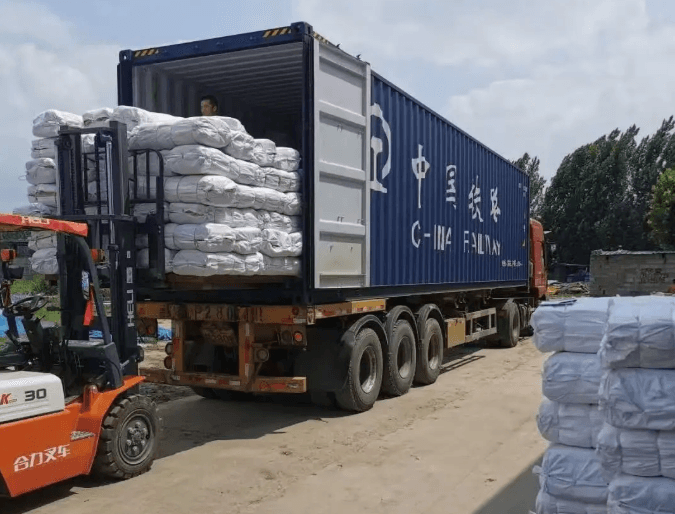
Approved bags are compressed, bundled, marked and loaded according to the export packing and container plan.
Factory View
The factory view follows fabric preparation, weaving, industrial sewing, finished-goods organization and container loading, giving buyers a clear picture of each order's manufacturing path.
01 / 05
Quality Control
Quality control begins with specification review and continues through fabric, cutting, sewing, finished-bag and packing checks. The review covers not only appearance but also material configuration, critical dimensions, lifting areas, openings and order identification.
Industries We Serve
Minerals, chemical powders, manganese ore, cement and fine industrial powders differ in density, abrasion, moisture sensitivity, dust containment and discharge. Each application page explains the recommended construction and operating considerations.
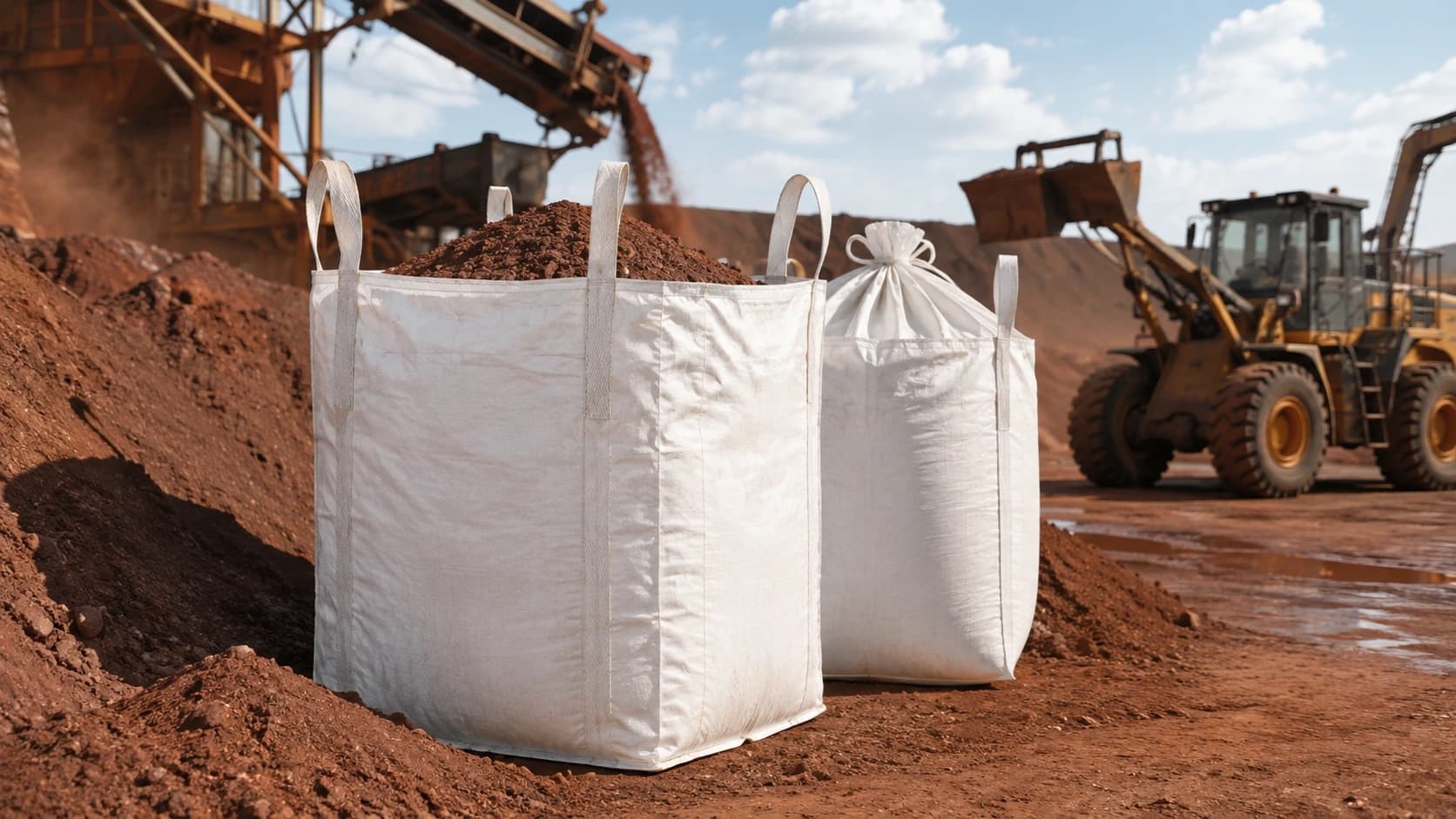
High-density mineral concentrate that demands robust, dust-controlled FIBC packaging for export logistics.
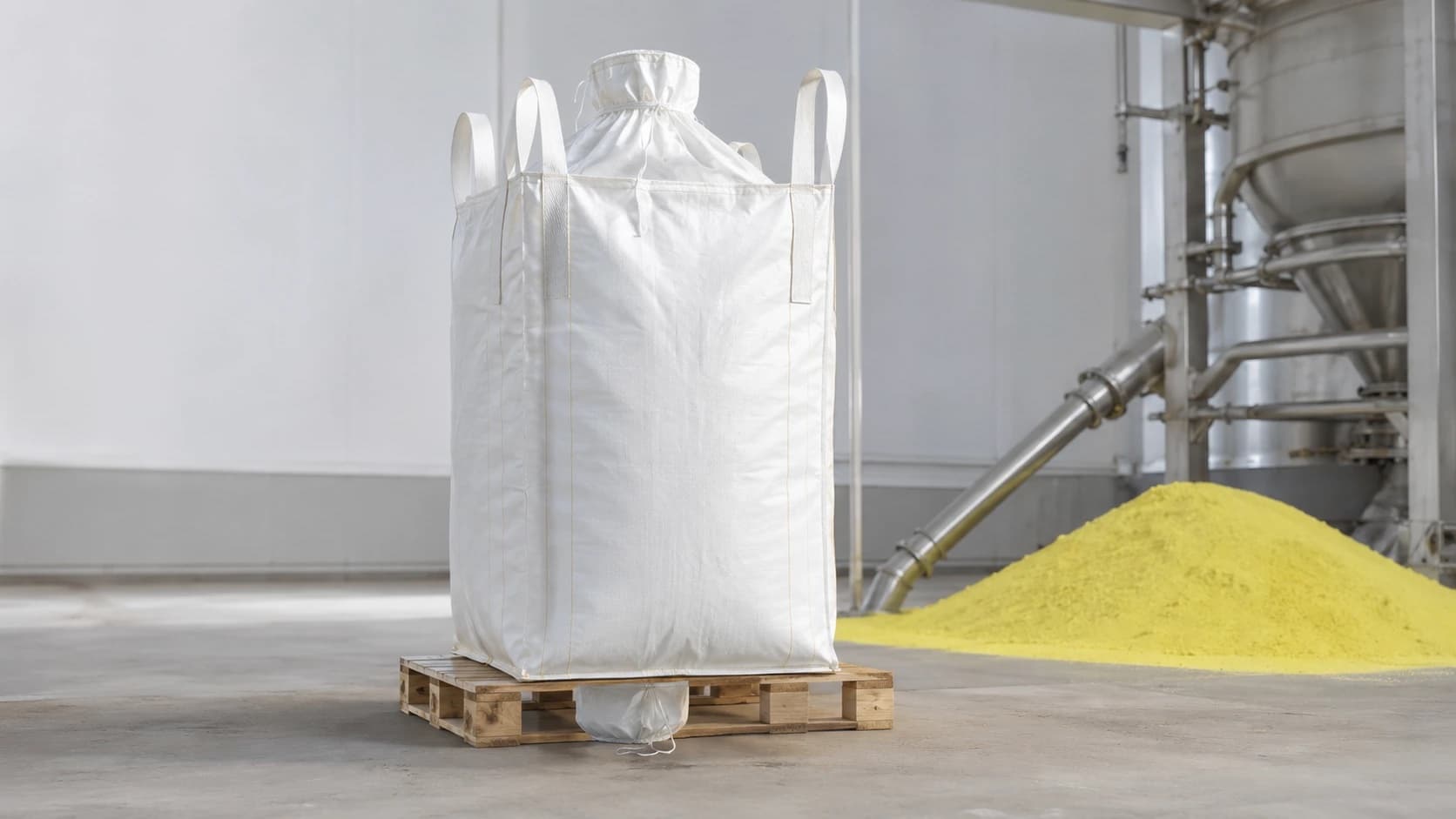
A fine, dusty chemical powder that benefits from dust-tight FIBC configurations and clean discharge.
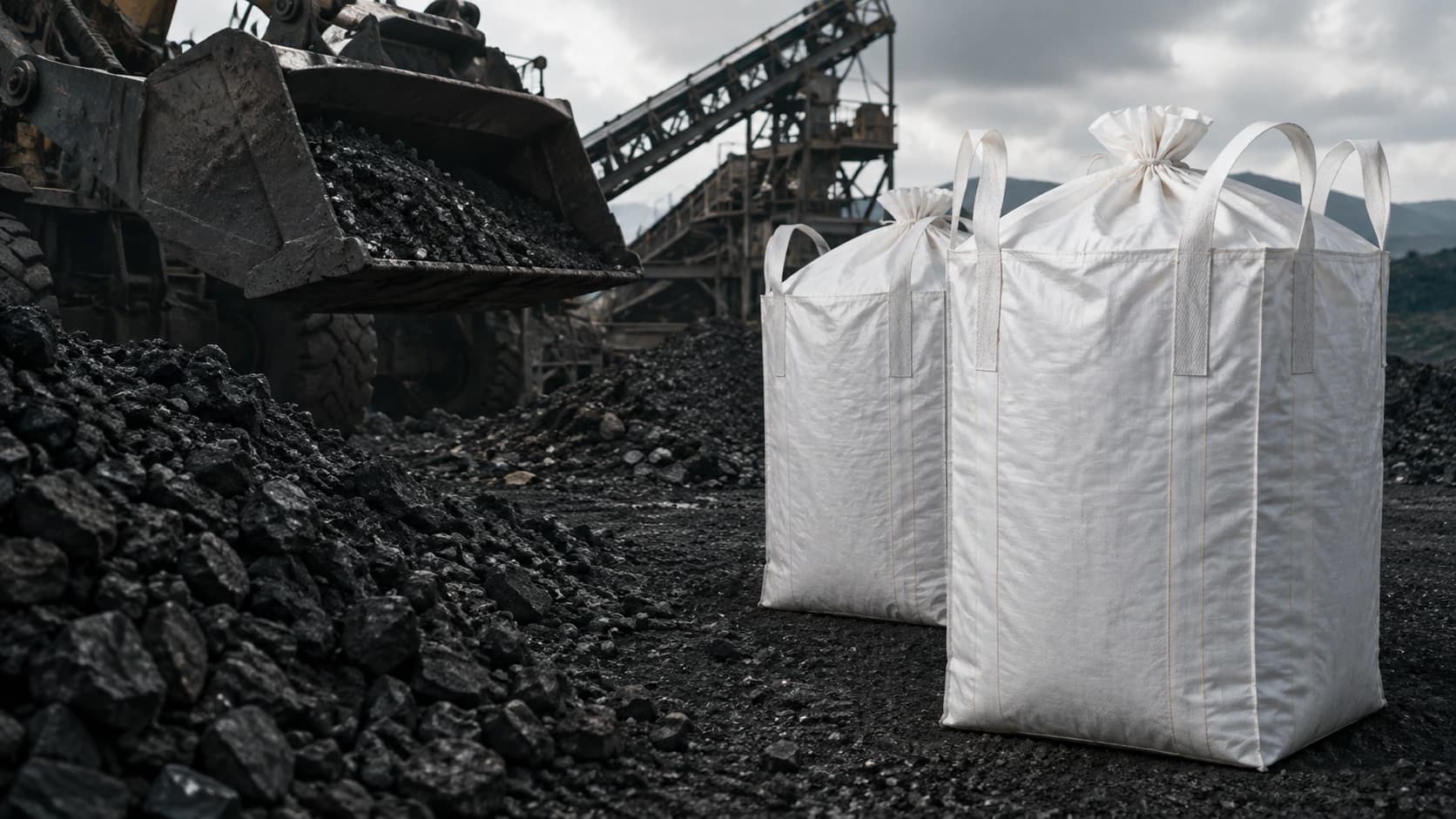
A high-density abrasive ore requiring heavy-duty FIBC bags with reinforced lifting for safe transport.
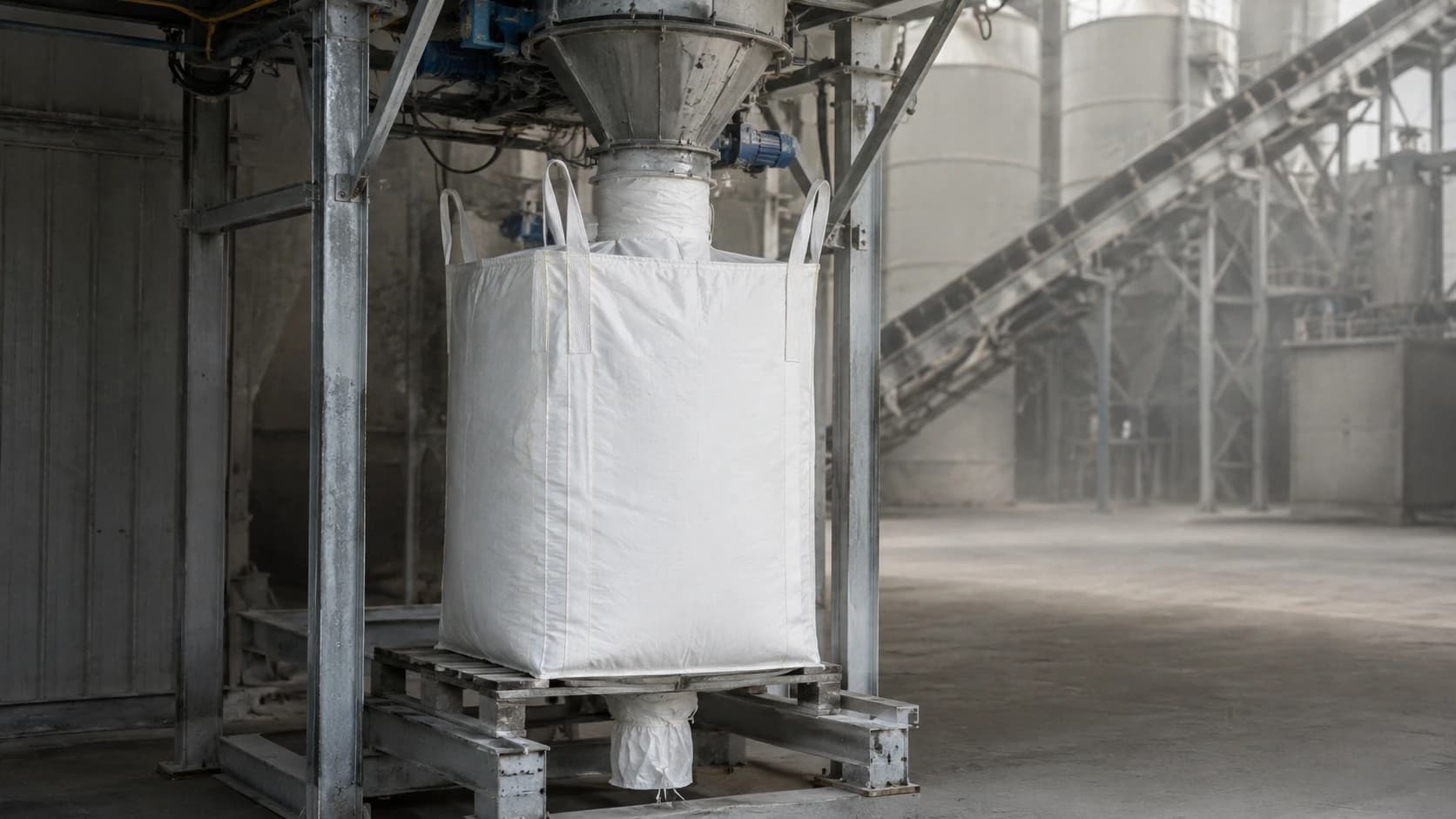
A fine, moisture-sensitive construction powder that benefits from dust-tight FIBC bags and liner protection.
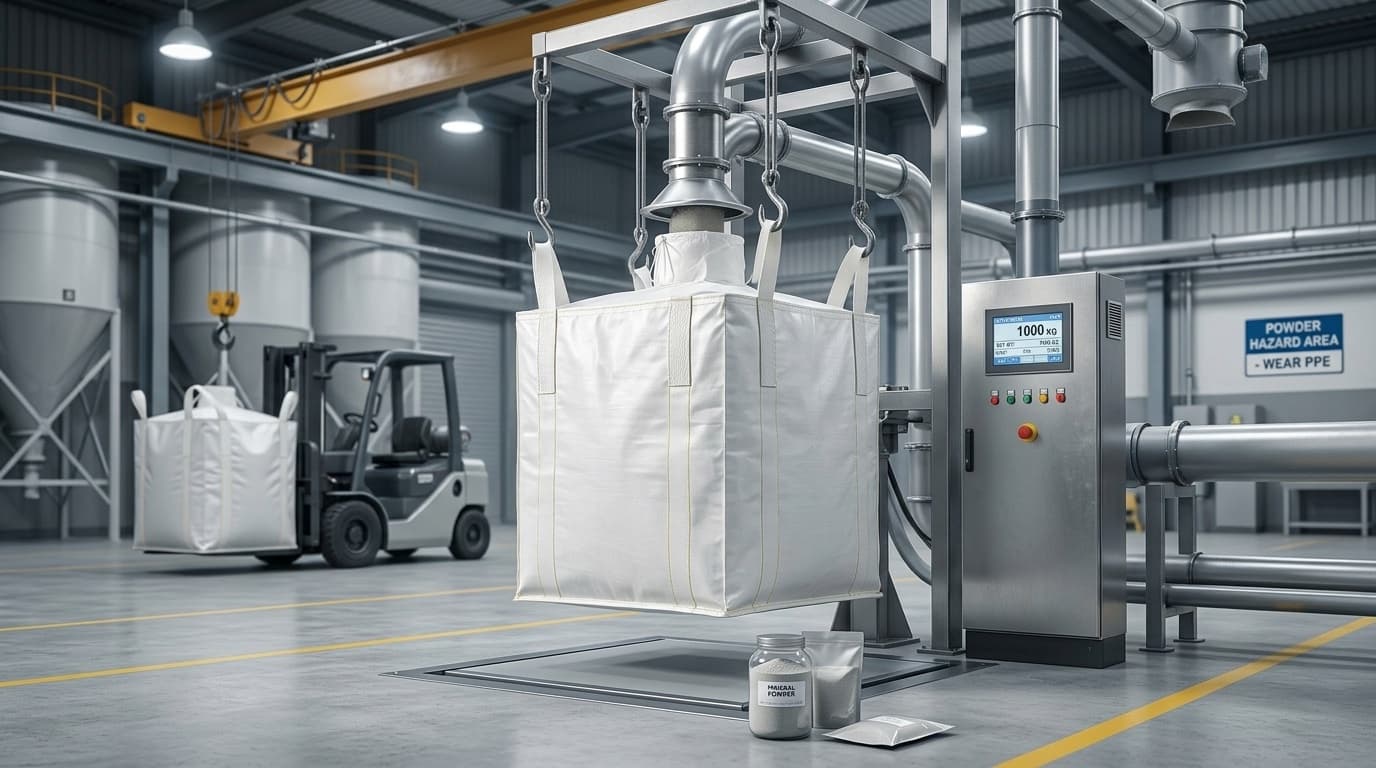
Fine and active powders that require controlled filling, secure containment and clean discharge.
How We Work
Clarifying the material, equipment and delivery conditions before quotation and production reduces repeated revisions. These five steps keep specification, manufacturing and export delivery on one information chain.
We start by learning what you pack — the material, its bulk density and particle size, and how it is loaded and discharged. These properties shape the first draft: fabric strength, liner requirement, and bag construction all follow from the product you move.
Together we set the working load, bag dimensions, fabric weight, and construction details such as top and bottom openings, lifting loops, and any liner. Every point is recorded so the bag is engineered for your exact handling line, not a generic stock size.
Before production begins, the specification is agreed and locked in writing — dimension drawing, fabric type, SWL, and all options. This becomes the single reference for the order, so both sides work from the same page.
Production follows the confirmed specification, with quality checks at key stages: incoming fabric weight, sewing during assembly, and final inspection before packing. Every bag must meet the agreed standard before it leaves the line.
We prepare the export documentation and arrange delivery from our factory to your port, with packing and marking matched to your transport plan. One handoff from order to arrival, so you can plan the receiving side with confidence.
Start a Project
Share the material, bulk density, target load, filling equipment, discharge method, destination and estimated quantity. We will organize the critical conditions before preparing a bag configuration for confirmation.
If drawings, site photos or current-bag sample information are available, include them. These references help identify specification differences more quickly.