

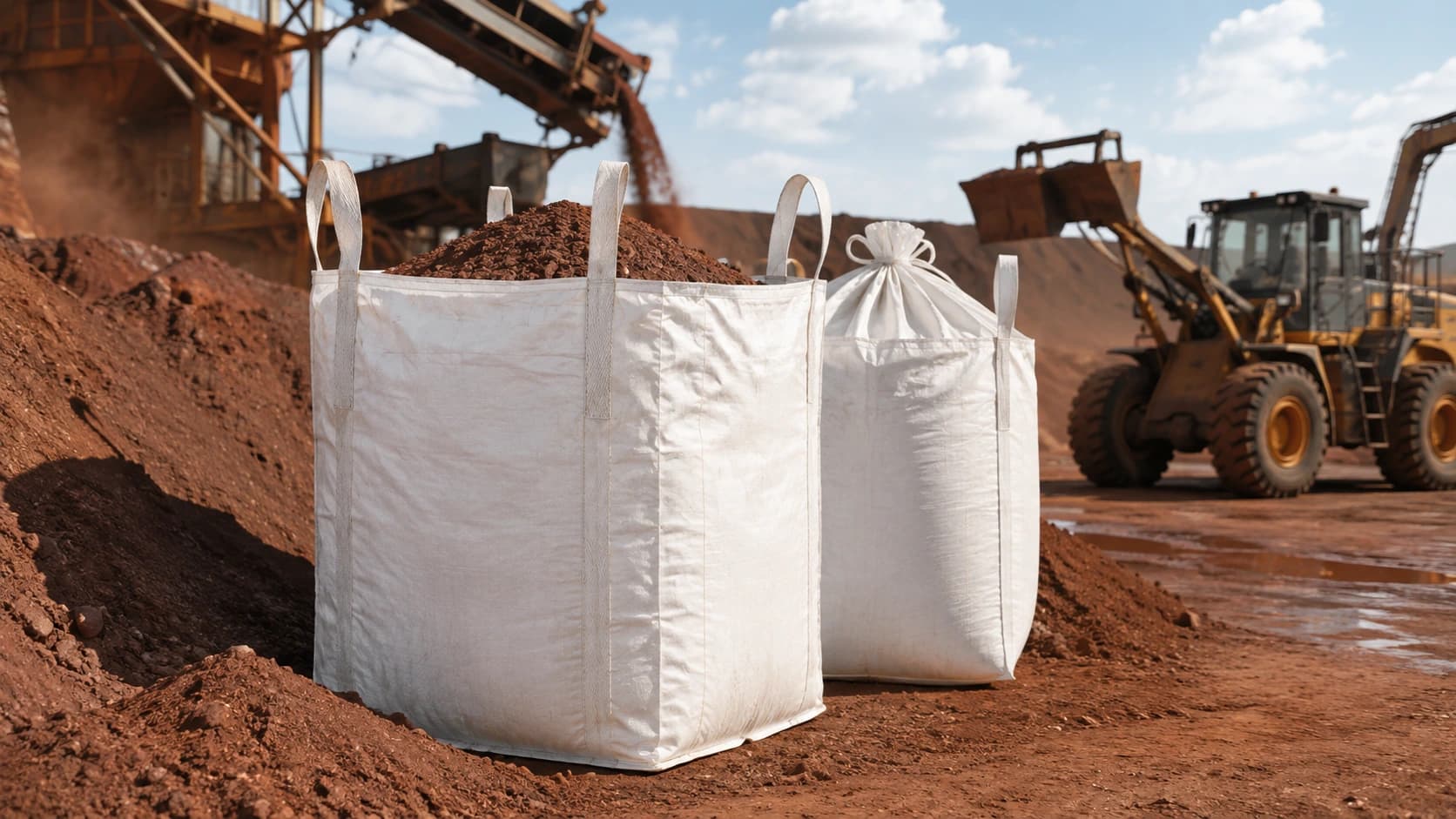
Mineral concentrate
1500 kg150–180 gsmCopper Concentrate
Copper Concentrate
Start with the way copper concentrate behaves
High-density mineral concentrate that demands robust, dust-controlled FIBC packaging for export logistics.
Copper concentrate is commonly handled as a fine, dense mineral product after beneficiation. Its bulk density, particle profile and moisture content vary with the ore source and processing conditions, so the packaging specification should begin with the actual material data rather than a generic mining-bag standard.
Compared with lighter powders, the same bag volume may create a much heavier unit load. During filling, lifting, container loading and discharge, that load is repeatedly transferred through the woven body, seams, lifting loops and spouts.
The practical objective is therefore broader than containment alone: the FIBC must support controlled filling, reliable lifting, dust-conscious discharge and the storage conditions expected along the export route.
Concentrated unit load
Actual bulk density can vary by source. Target fill weight and usable bag volume should be reviewed together before the SWL is confirmed.
Abrasive contact points
The body fabric, seams and inlet or outlet areas may experience repeated particle contact during filling and discharge.
Dust and moisture control
Top and bottom closures help manage dust. Liner selection depends on material condition, storage time and transport exposure.
Copper Concentrate
Recommended FIBC Configuration
This configuration is an engineering starting point for copper concentrate rather than a fixed specification. Confirm the figures against actual bulk density, target bag weight, handling method and filling equipment before production.
- Recommended SWL
- 1500 kg
- Fabric GSM
- Approx. 150–180 gsm (confirm against actual bulk density)
- Top
- Filling spout / Duffle top
- Bottom
- Discharge spout / Flat
- Lifting
- 4 loop (reinforced)
- Liner Recommendation
- PE liner may be recommended when moisture protection is required
Why This Configuration
Body and lifting work as one system
A higher-rated body is paired with reinforced four-loop lifting so the intended unit load is transferred through the complete construction.
Openings follow the handling line
A filling spout or duffle top supports different hopper arrangements, while a discharge spout provides controlled emptying when the receiving line requires it.
The liner is conditional
A PE liner may add moisture and dust protection, but it should be selected only after storage, transport and discharge requirements are understood.
Copper Concentrate
Key Considerations
Four inputs have the greatest influence on the final bag specification. Confirming them early keeps the sample, quotation and production specification aligned.
Material data
Provide bulk density, particle condition, moisture range and the target net weight for each bag.
Filling and discharge
Confirm hopper outlet dimensions, filling speed, dust-control method and how the receiving line empties the bag.
Lifting and logistics
Identify whether bags are handled by forklift, crane or both, together with pallet, container and route constraints.
Storage exposure
Clarify indoor or outdoor storage, expected duration and moisture exposure before deciding on coating or a liner.
Copper Concentrate
Recommended Products
These three classic structures cover contained filling with either flat or controlled discharge, plus a straightforward open-top option for coarse, free-flowing material. The final selection should match the material condition and equipment at both ends of the route.
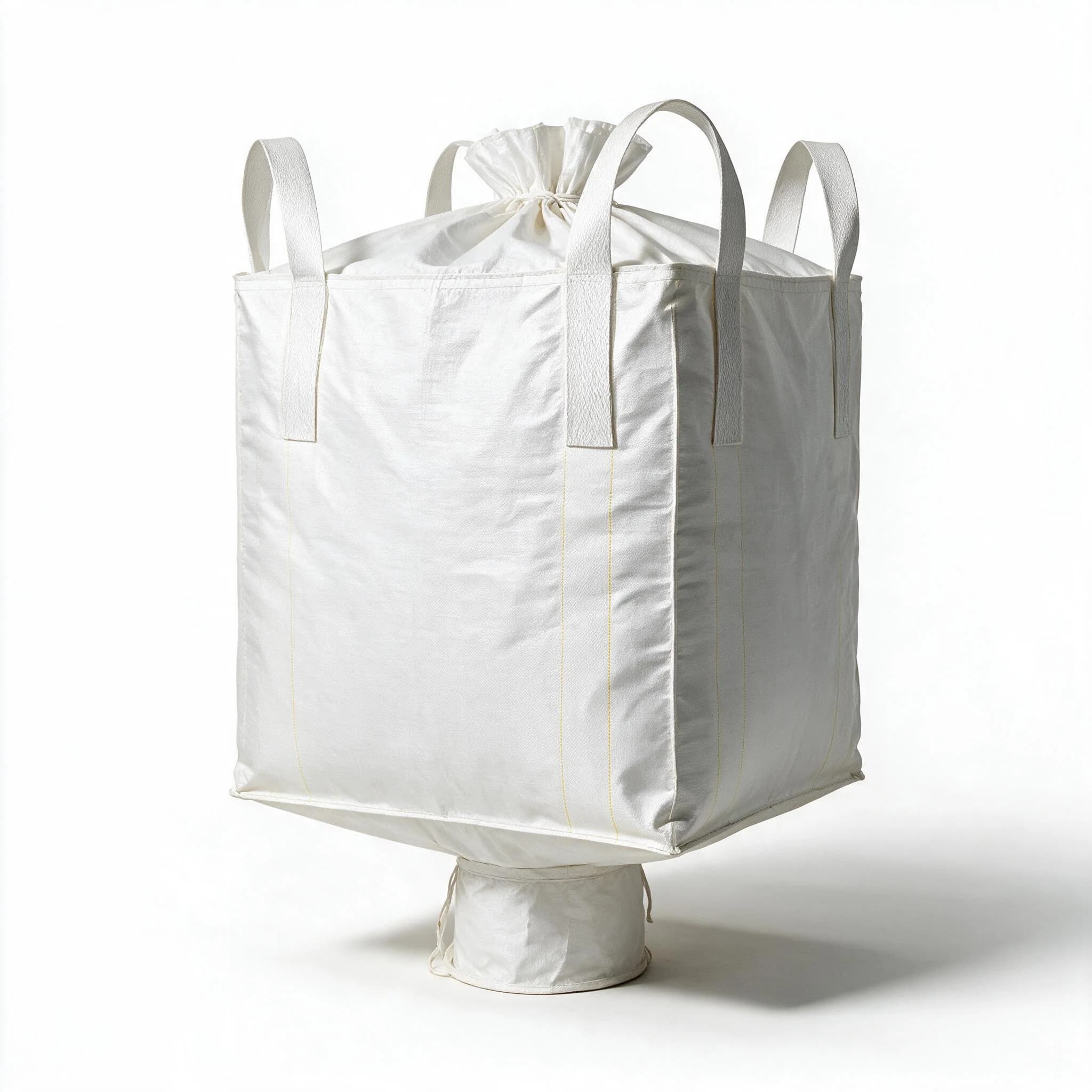
Duffle Top / Discharge Spout FIBC
A duffled top for clean, low-dust filling and a bottom spout for controlled discharge.
View Details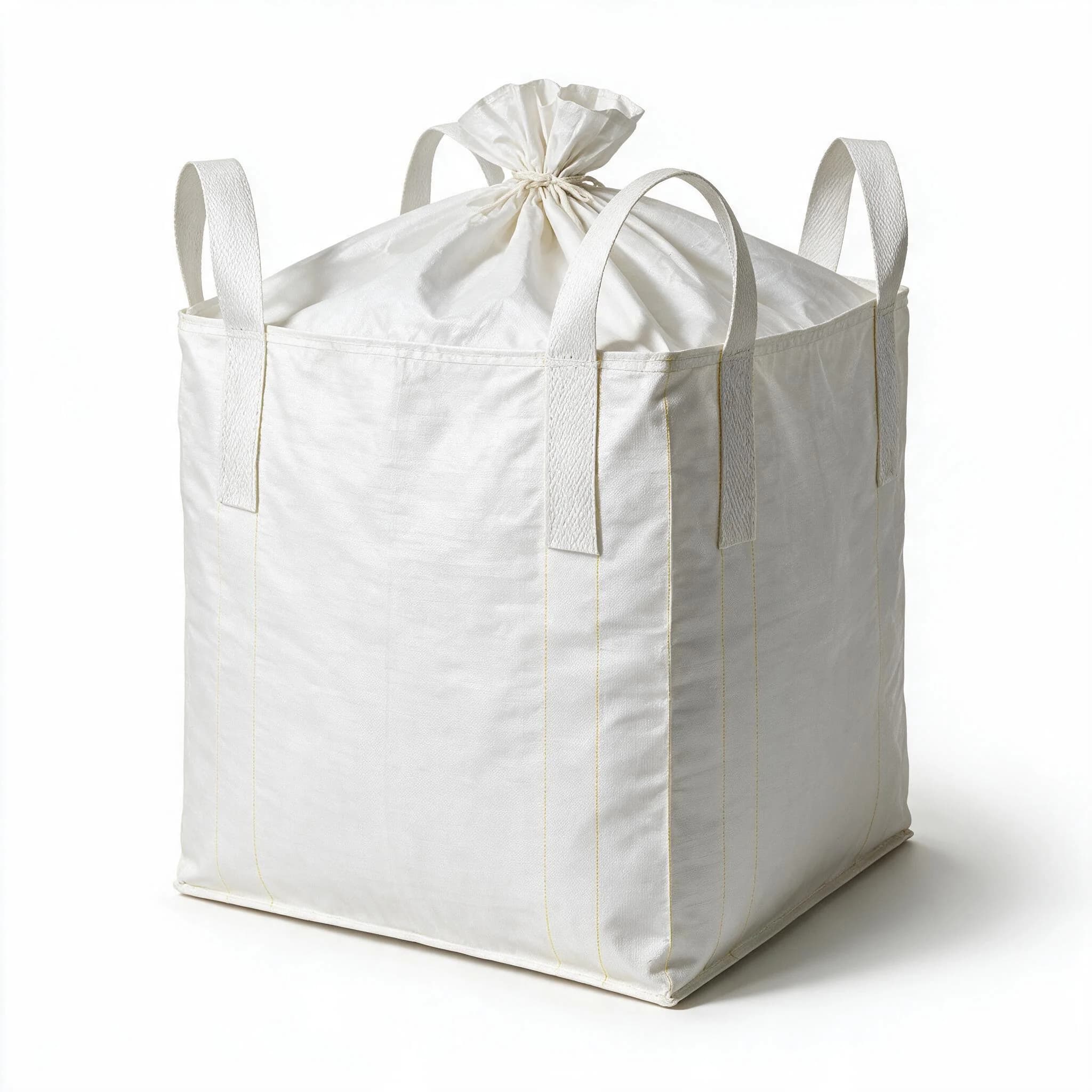
Duffle Top / Flat Bottom FIBC
A duffled filling spout on a flat bottom — clean to fill, stable to stack and store.
View Details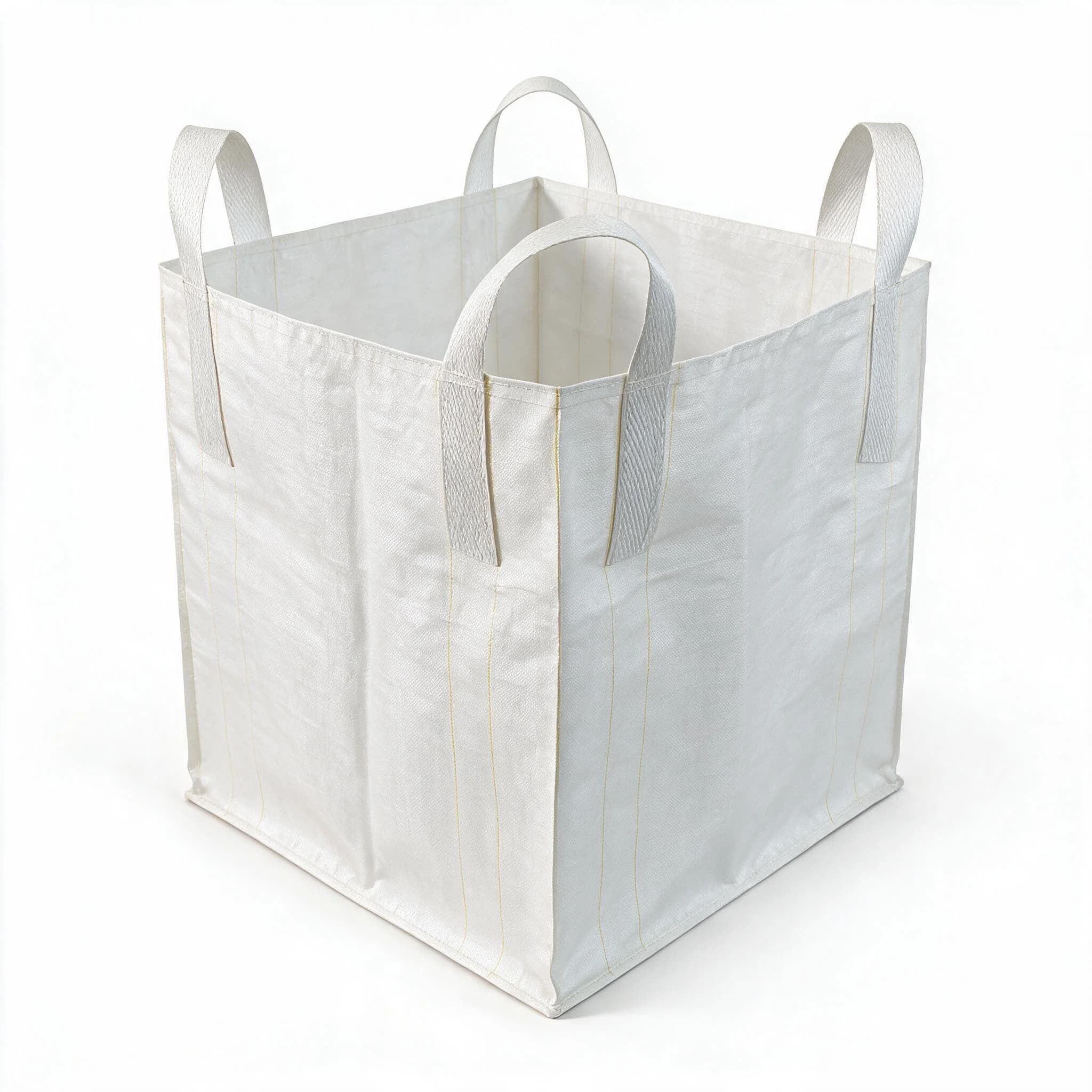
Open Top / Flat Bottom FIBC
A full-width open top on an economical flat base — the straightforward workhorse of bulk export.
View DetailsRelated Guides
Guides about this material
Use these guides to compare liners, top and bottom structures, and safe-use factors before confirming the complete FIBC specification.
 FIBC Handling
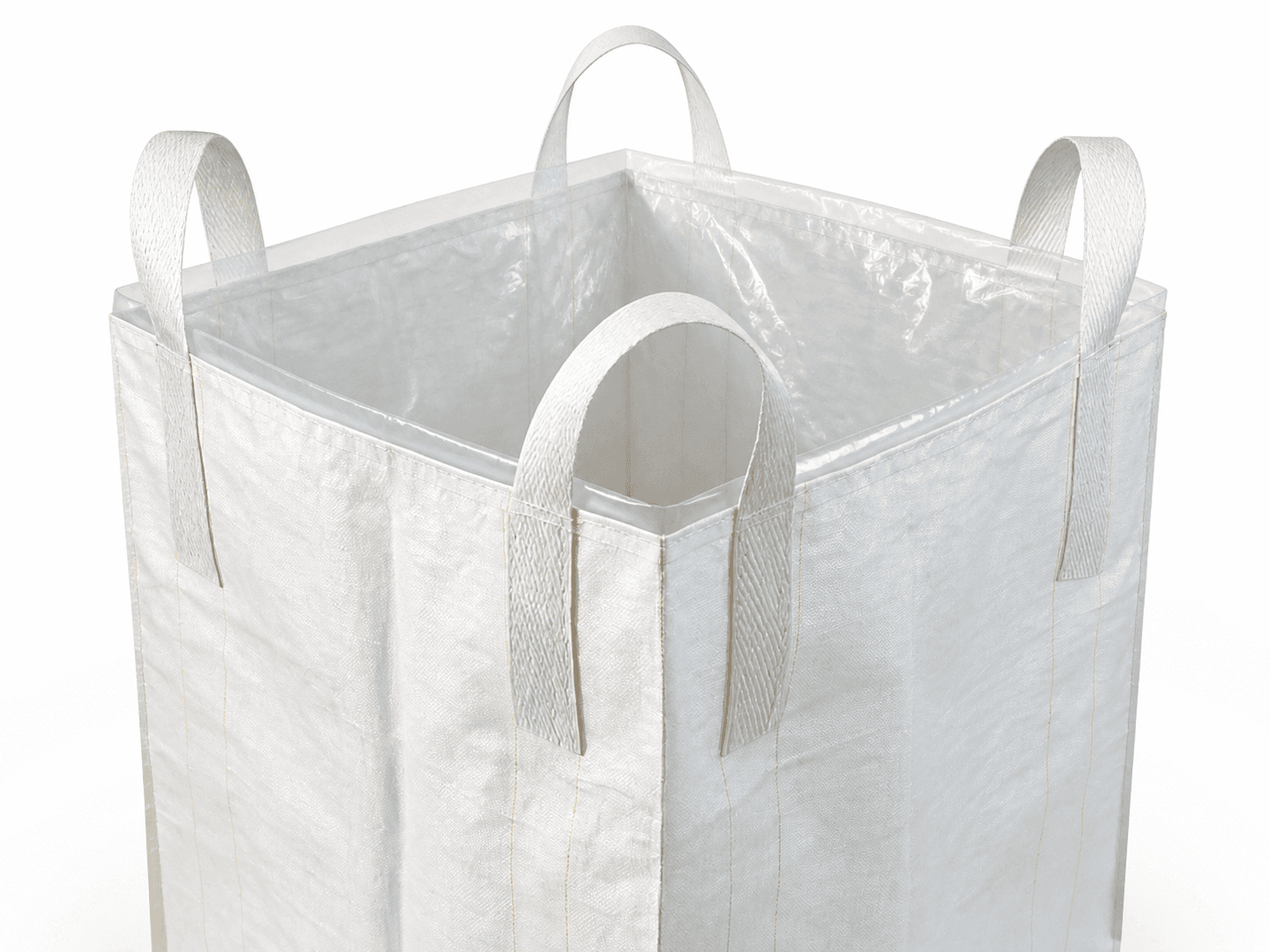
When Does an FIBC Need a PE Liner?
How to judge whether a FIBC should have a polyethylene liner — the products and conditions where a liner can help with moisture, fine powders and contamination, and the cases where it may not be needed.
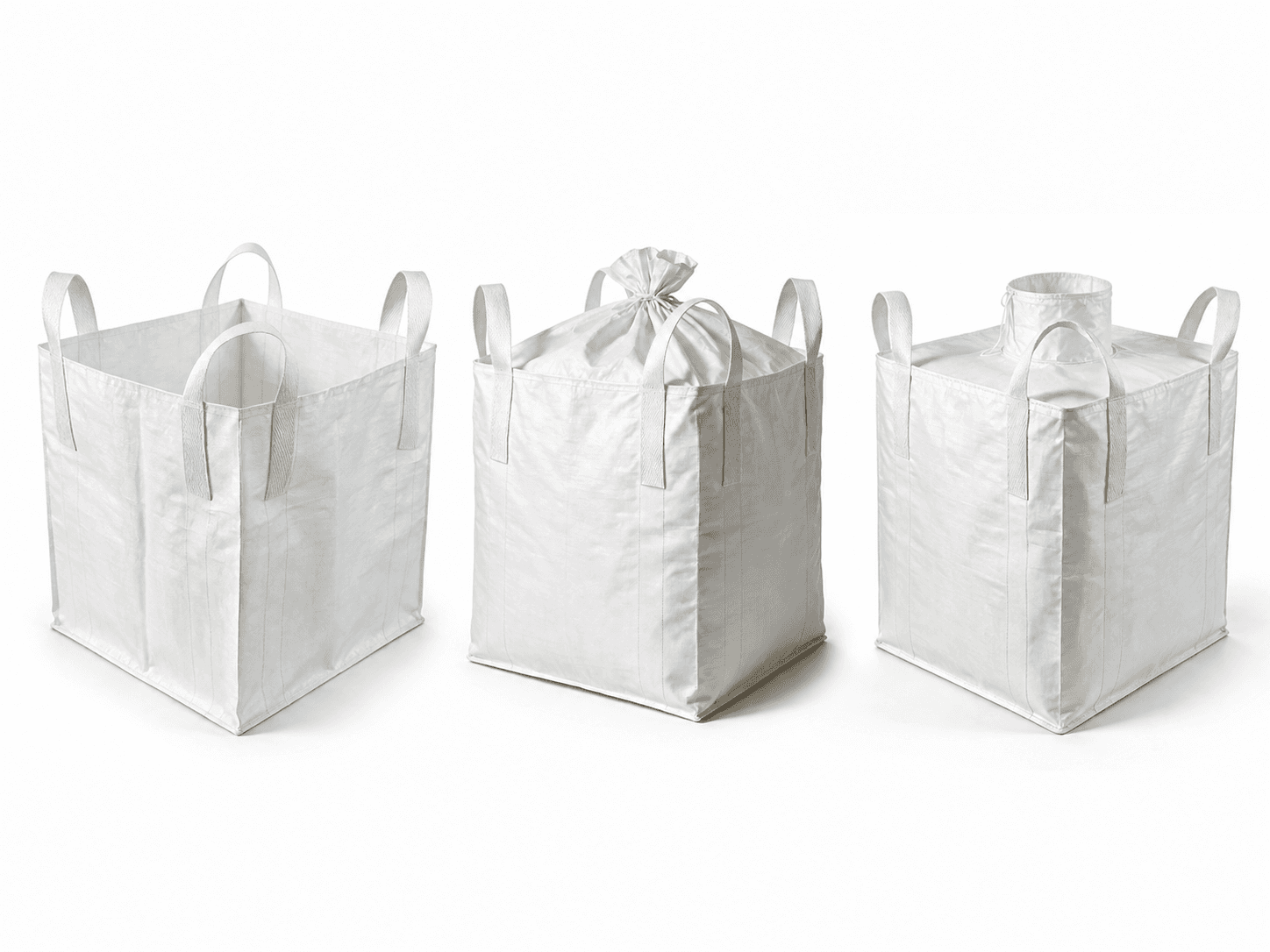 FIBC Design
FIBC Top Types: Open Top vs Duffle Top vs Filling Spout
How open top, duffle top and filling spout FIBCs differ, and how to choose between them based on your filling equipment, dust control needs and the product you are packing.
 FIBC Guide
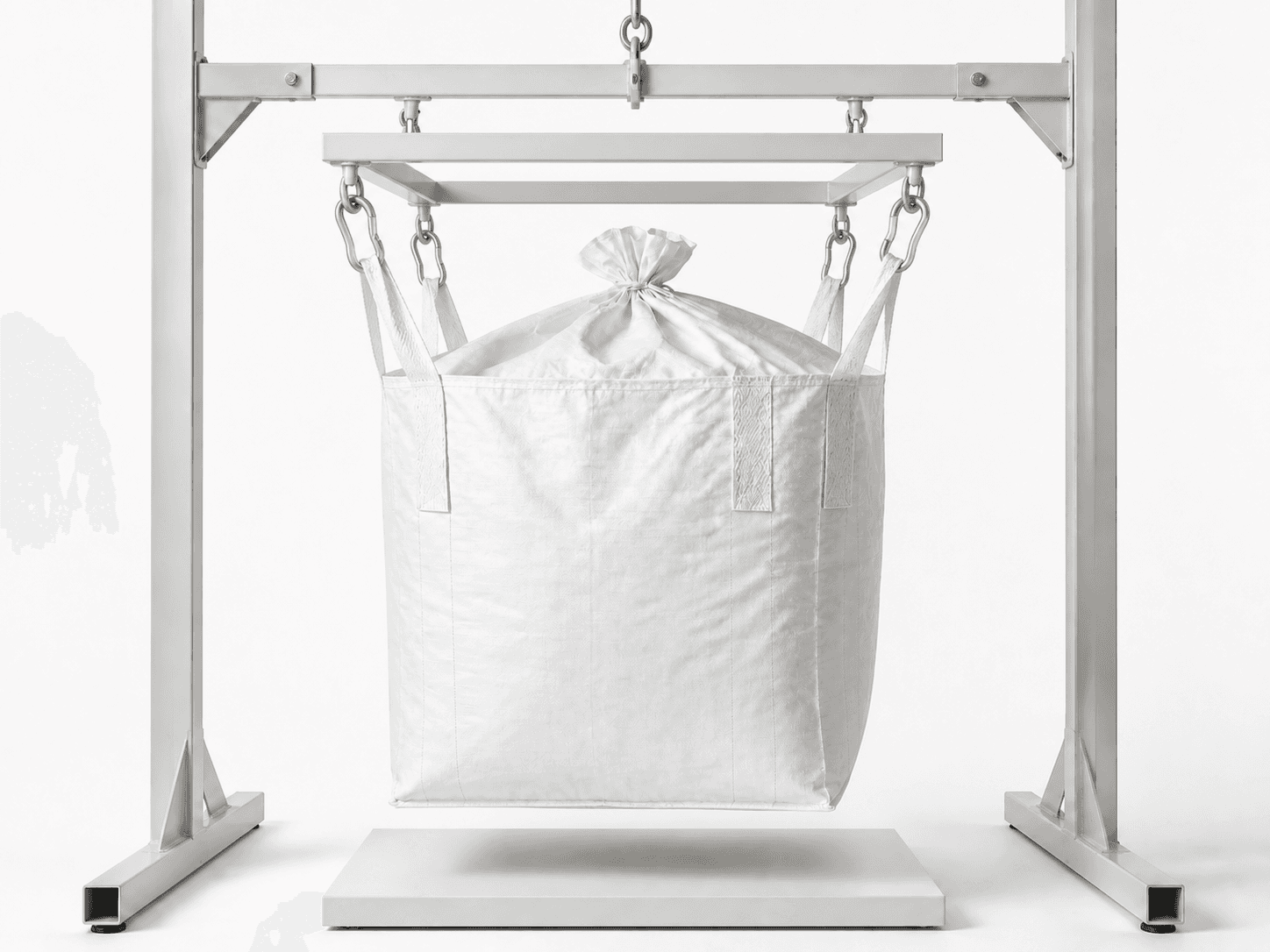
FIBC SWL and Safety Factor Explained
What the safe working load and the safety factor actually mean for a FIBC bulk bag, how a 5:1 ratio is commonly understood, and why the working load can never be chosen by weight alone.